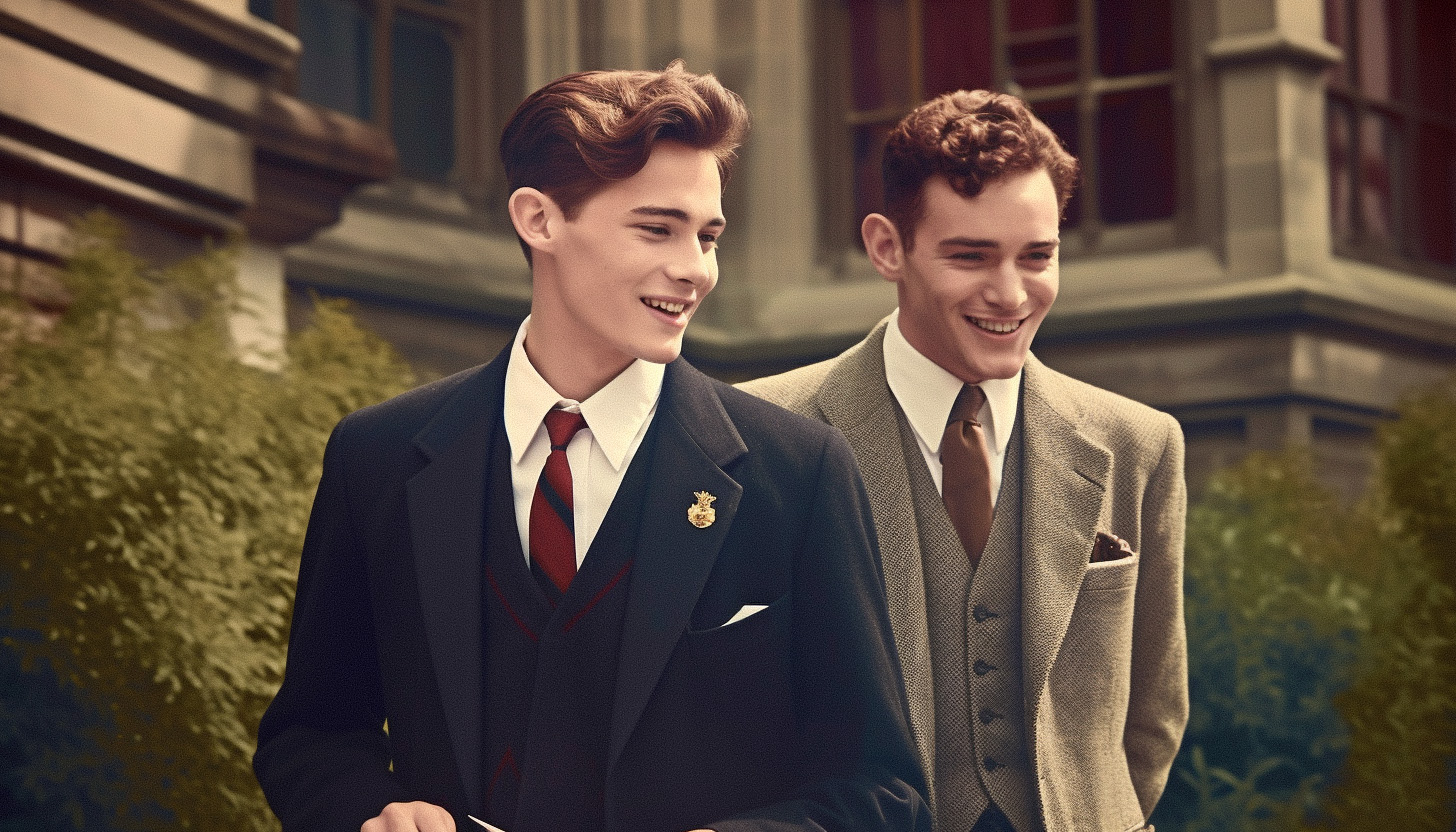
The Ever-Changing World of Fashion: Style, Identity, and Industry
It has never been just clothes that make fashion. That it is an art, a cultural practice and a global business that shapes artists’ expression. From orientalist costume balls to street looks, fashion is the space in which we dress ourselves – in every sense – for the confounding theater of the self and is thus a subject which resists cursory categorizations. Fashion is an outcome of a society and it mirrors back to you, but you can’t not be inside it.”
The Meaning of Fashion
At a fundamental level, fashion is about the expression of self. What people wear on their bodies is a reflection of who they are, what they think, and how they approach the world. Clothes can represent how we feel, who we are and who we’d like to be. Fashion’s behodling to people to influencing their story, whether it’s the slick professionalism of the professional suit or the comfort and bold single-mindedness he so fondly admires in his sneakers.
If you’re searching for high-quality embroidery Port St. Lucie services, look no further than SE Logo Wear, Inc. Known for their precision, creativity, and attention to detail, they provide custom embroidery solutions perfect for businesses, teams, and personal projects. Whether you need branded uniforms, promotional apparel, or personalized gifts, their experienced team ensures every stitch reflects professionalism and durability. For embroidery Port St. Lucie contact SE Logo Wear, Inc. to get reliable service, fast turnaround times, and outstanding results that help your brand stand out.
Fashion, though, is much more than that. It reflects collective movements. Fashions pick up the moods, the political attitudes, the social standards of a culture. The 60’s were about bright, bohemian clothes that were symbols of youthful protest, and so if the 80’s were about power dressing well it wouldn’t be portrayed as anything less forceful than the projection of ambition and materialism.
The Global Fashion Industry
Fashion is one of the largest industries in the world — and it’s also among the most unsustainable. Members include luxury brands, fast fashion chains and independent designers. The supply chain is long, from the manufacturing of textiles to marketing and retail.
On the high end, luxury houses such as Chanel, Dior and Gucci prevail, presenting looks that can be coutured and go on to form the sum total of the rest of the market’s trends. Fast fashion heavyweights Zara, H&M and Shein, meanwhile, are turning around catwalk-inspired designs at a relentless pace, but for bargain basement prices, for consumers. It’s this forbidden combination of the normcore and the elite, the old and the new, the cultural and counter, that gives so much of the rest of the world its fashion charge.
Fashion as Culture and Art
Fashion is cultural and it is the zeitgeist. Antique-style garments, such as the kimono, the sari, the muumuu, the kilt, and the vámíana, are still worn by some people around the world and are also even celebrated by some organizations. Designers frequently go on journeys of cultural nostalgia when they combine old and new to form new fashion collections.
Runway shows are not only about conveying the clothes; they are shows of art, music and storytelling as well. Editorial spreads, fashion photography and social media campaigns transform clothes into visual art, and fashion is one of the most artistic industries that exists.
Technology and Fashion
Fashion and technology are breaking new ground with new creations. E-commerce has disrupted shopping on a scale that few people had imagined as recently as 15 years ago: People can now browse global brands from their phones. Virtual fitting rooms give shoppers a perspective on how they would look in a garment, without having to physically try it on.
And sustainable technology is also transforming production. So other fabrics and materials — recycled textiles, biodegradable trims, even lab-grown leather — also are stepping up to address environmental issues like these. 3-D printing is producing one-off pieces of clothing; artificial intelligence is forecasting what consumers want, which cuts down on waste.
Another hot trend is digital fashion, an outfit you design to be worn virtually. These are clothes that literally exist online, bought for avatars in gaming worlds or for users of social media, the space where our physical and digital lives overlap.
Fashion and Identity
Fashion is such an important part of identity, of inclusivity. While other designers have recently raised eyebrows by questioning the gender-prescribed rules of dressing here and there, that trend has now come to its natural conclusion: clothing that refuses to be sorted into male or female categories. And what they can all agree on is that adaptive wear for the differently abled and plus-size fashion are changing the notion that style is not for every single person.
“Persona,” the constructing of identity, is also reinforced by celebrities and influencers. On the red carpet or Instagram, what a star wears can spark a global trend overnight. “Fashion is very personal and it is absolutely social at the same time in that sense,” she added.
Sustainability in Fashion
If we’re having panics about things in fashion now, sustainability is one of them. Fast fashion might be profitable, but it also results in overproduction, waste and environmental harm. The industry is a big polluter, a waste of water, uncountable pounds of carbon emissions and heaps of throwaway textiles.
As the consciousness has risen, the brands have followed embracing more eco-aware standards. Sustainable fashion: designs that are produced from recycled materials, or those that have been bought and sold within the circular economy by returning lifts. But consumers are making moves, too, by embracing the second-hand market and a culture of clothing swap, and by supporting sustainable labels.
Fashion as a Social Statement
Fashion has always been inextricably linked to social and political movements so let’s see shall we. Sartorial styles were deployed as protests against war, as agitation for women’s liberation, as claims to freedom, throughout the 20th century. Fashion’s power to speak for those who wear it is still on duty. Where fashion falls on that debate can be be found on T-shirts, in clothing lines touting diversity, not to mention campaigns against sweatshops.
Designers frequently use their platforms to highlight issues like climate change, racial justice and gender equality. And in doing so, they remind us that fashion is potent stuff — it can mold culture and facilitate dialogue.
The Future of Fashion
Clothing of the future will claim to be innovative, inclusive and sustainable. What clothes are even — how they are designed and marketed and sold — will shift anew as digital garments, artificial intelligence and synthetic biology remake both the clothes we wear and the clothes we don’t: The ones that are mostly designed not to wear but to make money or to attract attention, and that don’t have to signal something larger about who we are. In the meantime, global influence and diversity will always be part of the exchange of styles and developments.
Personalization will also wax. Technology may also eventually enable people to create their own clothing so fashion can become more customized to the individual. In the meantime, the growing wave of sustainability shows that the trend toward slow fashion — in which quality and clothing that can last is preferred over something that is just passing — will continue to become a wave.
Conclusion
Fashion is a world language as an industry is communicated. It shows us who we are and who we are becoming, and it deepens the cultural moment, unites cultures across borders. The fashion industry’s problems are many — sustainability, representation, systemic racism — but it’s also terminus for boundless creativity and progress.
Fashion, like society, grows in time Fashion, naturally, will grow and like a cycle will be reborn and it all boils down to a single idea: that it makes all of us, all us humans, on the earth.







Post Comment