
The Art and Impact of Photography in the Modern World
Photography is not merely snatching photographs, quite simply it is a profession, a language of narrating and a means of remembering. Photography, an invention of the early 19th century, has been hailed as a great invention at least a dozen times besides photography. It collects culture, records history, inspires creativity for generations to come. In the time of the image, its force has never been stronger, more present or irrefutable.
The Origins of Photography
Early experiments with light and optics helped us create photography. In 1826, Joseph Nicéphore Niépce debuted the world’s first permanent photograph in an epoch-making moment. Later pioneers like Louis Daguerre and George Eastman would push the medium even further, opening up the process to spread photography throughout the world.
The number of images was more constrained back then. Families would scrimp and save for the privilege of such a portrait, a single image that could be handed down to the next generation. The democratization of photography — more than any other medium, I would argue, as one that’s flipped from film to digital likes — is what has made photographs a thing we all make and consider and spend time with, over time, in very practical ways.”
Photography as Art
More than a record, some people regard photographs as art. It’s a medium for creative expression, like painting or sculpture. Photographers use light, composition, framing and timing to elicit emotions and document the human experience. Black and white gives you contrast and texture, to create classic looking photos that can be full of mood and emotion.
“For one, many contemporary photographers shoot traditionally, but not 100-percent traditional; they inflect those images with digital aspects to create abstract, dreamy visuals. Street photography is capturing real emotions of life and landscape shots are amazingly beautiful. Each style shows to some degree that photography is technical, and emotional.
As for photography to society..
Photography has changed society and the world of Fill. It has recorded wars and social movements, political careers and cultural milestones and has influenced public opinion and historical memory. After all, there are those iconic photographs — of the moon landing, of the marches for civil rights, of the world-shaking events — that are such a part of our collective brain that they represent an entire era.
It’s application in journalism, and particularly photo journalism, can produce exactly that kind of strong, instinctive image which projects a narrative in the kind of way that sometimes words just simply cannot. One photo can tell the story of tragedy, or joy, or injustice, one that can drive home the hard fact, which might prompt you to react. And in the process, photography isn’t simply art; it’s social change.
The Digital Revolution in Photography
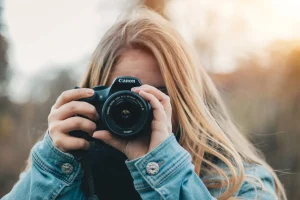
No kind of image making has been more played about with by the digital revolution than photography. First digital cameras, then smartphones, brought the equipment for potent photography into the pockets of billions. Photography has never been easier to use, thanks to sharper lenses, editing programs and sharing utilities, which democratize the medium for everyone — from pros to the laziest hobbyists.
Social media has fueled this transformation, and has ridden it to success. Platforms such as Instagram, Pinterest and TikTok supply that demand for visual storytelling, based in photography. Millions of new photos are posted daily, portraying everything from personal moments to world news. Photography has never been easier and never been harder.
Photography in Business and Marketing
In industry, photography is king, too. There you have killer content for advertising to pull people into and communicate the brand image. So, and this is the important thing to note, compared to product photography which’s aim is to assist consumers in making rational, logical choices, lifestyle photography places an image of a product in an aspirational lifestyle.
Whether it’s through a headshot, photo of your house or fashion photo, they all show how industries can market to potential customers through images that can make them feel just as good. In an often accelerated digital economy, good photography is what stands between visibility and invisibility.
Photography and Technology
Technology, too, continues to shape photography. Advances in camera sensors and artificial intelligence and other editing tools have pushed the boundaries of creativity. AI cameras can now make automatic adjustments, recognize faces and touch up images with a level of consistency few could achieve on their own.
Drones have also created new viewpoints, quite literally — aerial shots that just a couple of years ago were the purview of a handful of photographers. Virtual reality and 360-degree photography are also offering new angles on images that drop the viewer into a scene as if he or she were really there.
The Emotional Connection of Photography
The heart of photography is emotion. A picture can make you laugh, cry, think. The family album records weddings, birthdays and everyday life in a way that can be handed down the generations. There’s nothing like travel photography, it’s a food for the soul, it provides you with the nectar to have people taste the itch to wander or fantasize about where to plan their next escape.
And that emotional connection is why photography still means so very much to us as a species. Images document those and are something tactile to grasp when everything else is lost.
Challenges in Modern Photography
Photography Books Photography, for some reason, despite all its strength, really suffers in the digital era. Standards of evidentiary and moral logic are becoming increasingly important. And now with progress in post production and staging a photograph can be pushed even further to the extent that real and not real no longer exist. It has implications for reporting, in journalism and on social media, where it has been found that you get fake images that go viral.
Another challenge is oversaturation. With billions of images widely available online and so much competition for their work, often it’s tough for photographers to differentiate themselves, and for viewers to sort through and understand the relevance of a discrete body of work. But it is also a challenge, driving photographers to be creative and devise new ways of doing business.
The Future of Photography
The future of photography is likely to be about technology and creativity. AI will be used to edit and create images Sure, and there will be hardware developments in resolution and clarity. Digital art and photography will continue to cross over and transform the way we express our thoughts in an image.
Meanwhile, old-school photography — meaning film, darkroom work, analog cameras — is in the midst of a renaissance. Lots of artists are indeed tacking back to the tactile beauty of film, reminded in the same breath how counterintuitively, but how sincerely, physical photography is more an issue of hands than machine.
Conclusion
It’s all about Photography! It is art, history, communication and memory, all signified, and all there to be seen, within a frame. From a novelty of the 19th century to a revolution in our digital age, the capacity of photography to blur the distinction between the real and the artful has, quite simply, changed everything about the way we see the world and ourselves.
For as technology and fancy progresses, photography will always inspire and engage generations of people to connect with, document and be inspired by human life that has been its mission since the beginning. Each photo sings to the viewer, whether taken with a professional camera or a smartphone — and in these stories is this humanity.









Post Comment