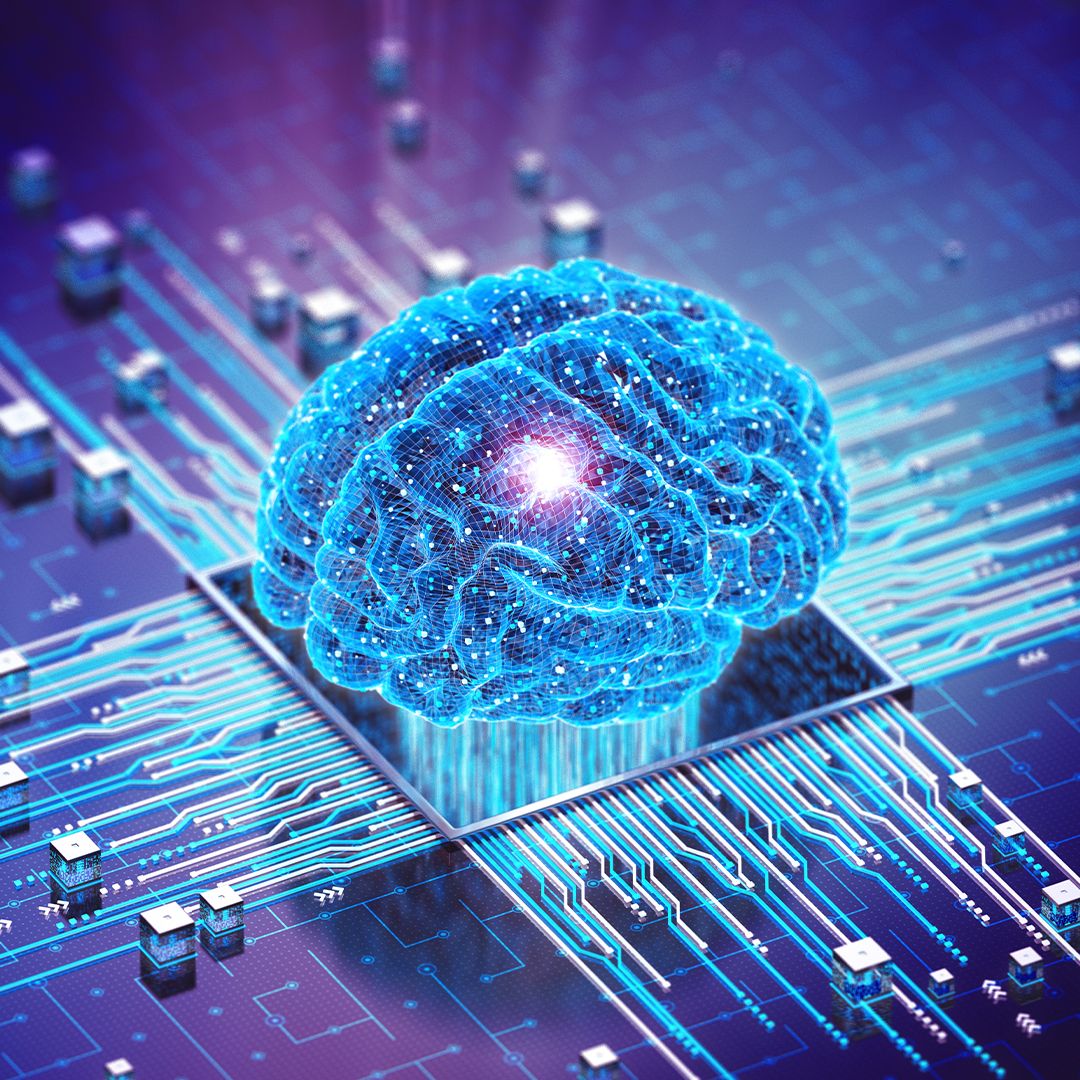
The Expanding Role of AI in Modern Society
Artificial Intelligence, better known as AI, has become one of the biggest game changers in technology in the 21st century. A futuristic idea once confined to science fiction, has become part of our everyday lives, shaping industries, economies and individual experiences. Once relegated to voice assistants, recommendation algorithms, medical diagnoses and self-driving cars, AI is finding new applications in shaping the way we work, live and fight.
Understanding AI
Fundamentally, AI is computer systems that are designed to carry out tasks that generally require human intelligence. These are such things as understanding data, identifying patterns, understanding natural language, and making decisions. Unlike traditional software, which works according to a requirement-oriented rulebook, AI systems can learn and get better over time through methods such as machine learning and deep learning. This flexibility is what makes AI stronger and more flexible than previous generations of computing.
AI in Everyday Life
For many people, AI’s impact is already evident, if not always directly visible, in small, particular ways. Smart-phones use AI to enhance photos, predict text, and facilitate voice interactions with IBM’s Watson supercomputing system, virtual personal assistants such as Siri, Alexa, or Google Assistant, and other virtual assistants. Many of us have become accustomed to AI-informed recommendations, whether for movies, products or music, through online sites. Even email inboxes are not immune to AI algorithms that survey spam and filter important messages and add to improving efficiency in communication.
AI in Business and Industry
Enterprises worldwide are quickly incorporating AI. In retail, chatbots powered by AI offer instant customer support, and predictive analytics enable companies to predict demand and optimize supply chains. In finance, AI is transforming fraud detection as well as risk and trading. AI-infused robotics are also being implemented in manufacturing to boost efficiency and cut down on errors, while logistics is making use of intelligent routing to reduce costs and delivery times.
The most valuable use case for AI may be in healthcare, however. Medical images can now be analyzed using machine learning models to find diseases such as cancer with extremely high accuracy. A.I.-enabled platforms aid doctors in diagnosing rare conditions, predicting patient outcomes and even tailoring treatment plans. These types of improvements don’t just make life easier for doctors, it has the power to save countless lives.
The Rise of Generative AI
These days, people in AI wonder less about analysis or prediction and more about what’s next: creative machines. These algorithms, known as generative A.I., encompasses tools like large language models and image-generation systems and can create human-like text, art, music and, yes, even code. That includes writers and designers using AI to brainstorm ideas and create drafts, or to automate rote tasks, and businesses using these tools to scale up their content production. While some worry this technology will eliminate creative jobs, others see it as a mechanism for enhancing human capacity, rather than replacing it.
Challenges and Ethical Concerns
But AI also poses key challenges and ethical questions. One would be algorithmic bias. Because AI systems rely on historical data to learn, they can pick up and perpetuate societal biases, resulting in discriminatory hiring, law enforcement or lending decisions. This bias could be mitigated through a more responsible data handling, transparency, and accountability with using the AI.
Another pressing concern is privacy. Many AI technologies do require large amounts of data that could contain sensitive personal data. It is important to have strong guardrails based on misuse to preserve trust. And as AI systems start to make their own decisions, issues of responsibility and decision-making become more murky. Who is responsible when a car powered by artificial intelligence gets into a crash, or an algorithm misdiagnoses a disease?
AI and the Future of Work
The fast growth of AI has created much discussion on how it affects employment. Although automation might replace some of these repetitive or manual jobs, it’s also projected to open jobs in areas like AI engineering, human-AI collaboration and data science. The workplace of the future will demand that workers are able to adapt, re-skill, and engage in lifelong learning. Rather than eradicating jobs entirely, AI will probably transform them, directing human attention to creativity, problem-solving and emotional and moral intelligence — competencies that machines can’t quite match.
The Road Ahead
AI promises to return extraordinary dividends in the future. It wouldn’t take a lot of headway in natural language processing, robotics or quantum computing, after all, to give AI a big push beyond where it is now. AI-powered smart cities might control traffic or lower energy use or improve safety. Thanks to personalised learning platforms based on artificial intelligence, education may become completely overhauled to fit ebbery students’ needs entitlement. CEOs are thinking about the long-term implications of ethical AI development, as continued investigation into the topic is helping to ensure that innovation happens in a way that is responsible and benefits society at large.
Conclusion
UX for the brave new world of AI: a return to craft The arrival of AI The dawn of AI is an unprecedented era in which humans pass the baton to machines for designing interactions and forging the future. Its use cases are far-reaching — ranging across health, business, entertainment and personal use. But then again, with great power comes great responsibility. How well AI is developed and used responsibly will determine whether it empowers people or divides us. What’s evident is AI is more than just a fad, it is a shaping force of our time, and its implications are likely to shape generations.











Post Comment